Alcohol and Insomnia: Whats the Link? I Psych Central
The appeal of using alcohol as a sleep aid stems from its initial sedative effects. Many individuals find that a drink or two helps them feel more relaxed and fall asleep more quickly. This perceived benefit, combined with cultural traditions and social norms, has contributed to the enduring popularity of nightcaps.
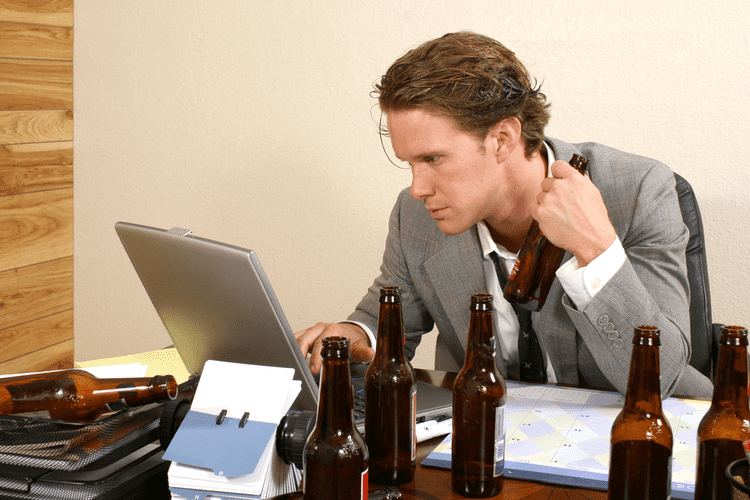
Is Mixing Alcohol with Sleeping Aids Dangerous?
These include your body does liquor help you sleep weight, gender, liver function, and the amount of food in your stomach. Generally, the liver can process about one standard drink per hour. A standard drink is typically defined as 12 ounces of beer, 5 ounces of wine, or 1.5 ounces of distilled spirits. To comprehend why sleep doesn’t actually sober you up, it’s essential to understand how the body processes alcohol. When you consume alcoholic beverages, the alcohol is rapidly absorbed into your bloodstream through the lining of your stomach and small intestine. From there, it circulates throughout your body, affecting various organs and systems.
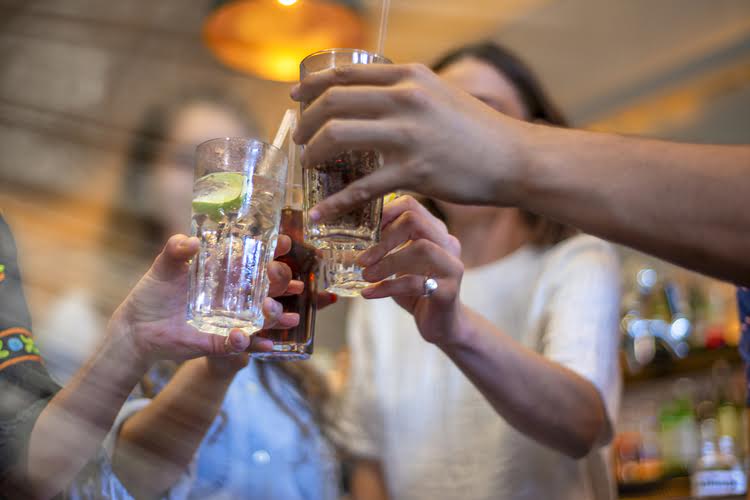
Can alcohol worsen sleep apnea symptoms? How does alcohol affect sleep quality?
- When drinking before bed, be mindful of the potential to develop symptoms of insomnia.
- And it sounds like you actually hear of people, then they try to use alcohol almost to self-medicate, to try to beat insomnia, and really it’s helping to fuel it.
- If you’re having trouble falling or staying asleep often, see your healthcare provider.
When the day winds down and it’s time to relax, many people find comfort in enjoying a drink before bed. While certain alcoholic beverages can enhance your relaxation, others might interfere with your sleep cycle. In this article, we will explore the top options for nighttime drinks, highlighting both their soothing properties and potential pitfalls. Discover the perfect nightcap that can help you unwind, promote better sleep, and leave you feeling refreshed in the morning.
Insomnia
Using ride-sharing services, taxis, or public transportation can prevent the dangerous and illegal act of driving under the influence. However, relying on sleep to sober up can be dangerous for several reasons. First, if you’ve consumed a large amount of alcohol, you may still be intoxicated when you wake up, even after several hours of sleep. This can lead to poor decision-making and potentially dangerous situations, such as driving while still under the influence. The short answer is no, sleep does not help you sober up faster. While you’re sleeping, your liver continues to metabolize alcohol at the same rate as when you’re awake.
Some people in recovery may try to start drinking again to improve their sleep. However, the alcohol will continue to damage their sleep cycles, and the problem will not get better. When a person has sleep apnea, they have interrupted breathing during the night. The condition is linked to fatigue as well as serious cardiovascular conditions like heart attack and stroke.
In a study interviewing abstinent alcohol dependent people, a substantial proportion described having been aware that alcohol disturbed their sleep, but that they needed to drink to get to sleep. So alcohol use may create sleep disruption, but the sleep disturbance in turn, elicits greater alcohol use. And while this might seem beneficial, using alcohol to fall asleep is not recommended. This is not only because of the negative health effects of drinking alcohol, but also because alcohol disrupts sleep later in the night. In the first half of the night, when the body is metabolizing alcohol, studies show people spend more time in deep, slow-wave sleep and less time in REM sleep. REM sleep, which gets shortchanged in the first half of the night under the influence of alcohol, is important for mental restoration, including memory and emotional processing.
Dehydration can give you a headache; and pain itself can cause poor sleep. Also, getting up multiple times at night puts you at increased risk for falling. It’s a sedative, so it can send you into a deep sleep quickly—but that’s not what’s supposed to happen. In other words, it throws off the first two stages of light sleep, and it can be difficult for your body to readjust during the remainder of the night. For people who snore or who have sleep apnea—a disorder that causes repeated pauses in breathing during sleep—drinking alcohol tends to aggravate symptoms.
This could lead to poor sleep and trouble waking up the next morning. So, while alcohol can help you fall asleep, it often impairs your sleep overall. It can lead to both worse sleep quality and sleep efficiency, which is the amount of time you’re in bed actually sleeping. That’s why alcohol isn’t recommended as a way to help you fall asleep. Alcohol is the most common sleep aid—at least 20 percent of American adults rely on it for help falling asleep.
Drinking alcohol can affect the Alcoholics Anonymous quality and length of your sleep, leading to sleep disorders — such as insomnia and sleep apnea — in some. The other tip would be that if you are drinking close to bedtime, I would sleep on my side rather than on your back. Because back sleeping has the tendency to further constrict the airway, and that can exacerbate sleep apnea.

 |
 |
| Tel: | +36 (1) 284 5199 | |
| Mobil: | +36 (30) 490-86-40 |